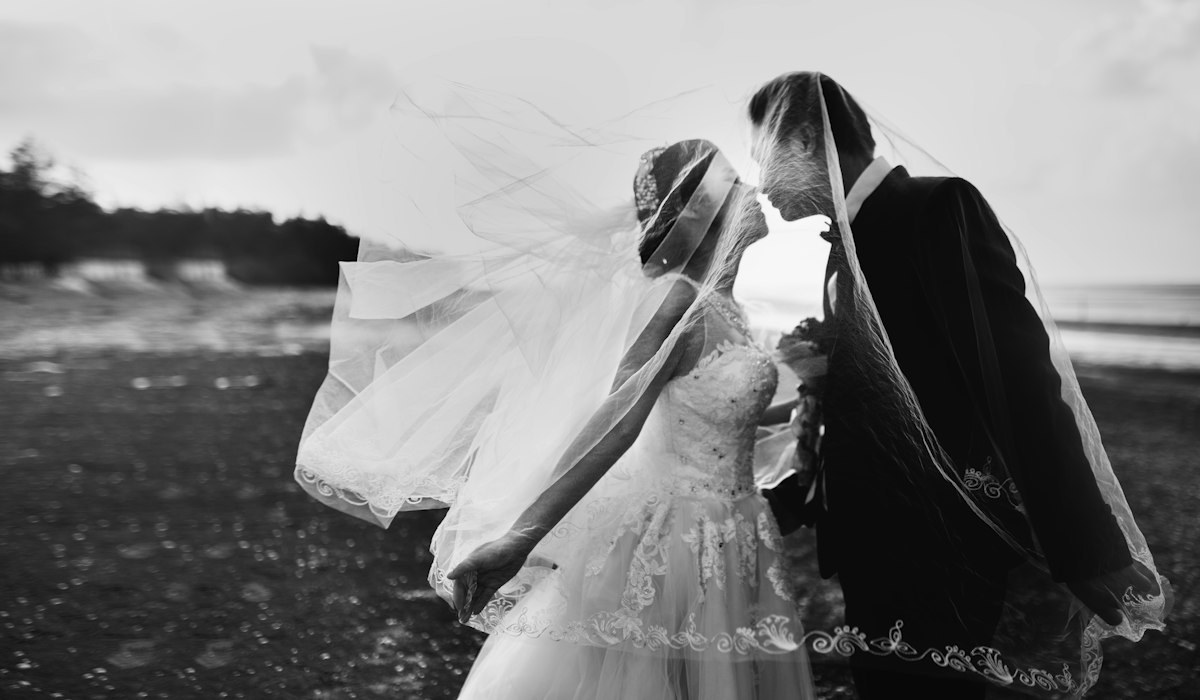
Studio light is predictable. A garden in the afternoon, a church veranda, a hotel corridor at dusk — those are not. Destination and outdoor work reward photographers who can decide quickly with what is already there.
Trying to force a single preferred look onto every venue usually costs time and softens the result. The stronger habit is to walk the space, note where the light is kind, and build the frames around those places instead of fighting the ones that are not.
Constraint as a tool
Limited control is not a failure of planning. It is information. Soft open shade near a wall, a doorway that cuts hard sun, a stretch of even cloud — each of those can carry a set of portraits if you stop searching for a perfect backdrop and start using a workable one.
Clients rarely remember the exact corner of the garden. They remember how they felt in the photographs. Comfort and good light matter more than a dramatic background that forces everyone to squint.
Carry-over to Nairobi work
The same eye helps in the city. Westlands streets, hotel grounds, and home gardens all change through the day. Arriving early enough to see the light, rather than only the layout, is still one of the simplest upgrades to a session.